Source lighted crystal high heeled sandals for parties, meetings, and daily wear
Compare 30 listings of lighted crystal high heeled sandals featuring varied heel heights and materials. Buyers can evaluate options for parties, meetings, and daily occasions with customizable branding and sizes ranging from US 4 to 15.
Key considerations
Products List
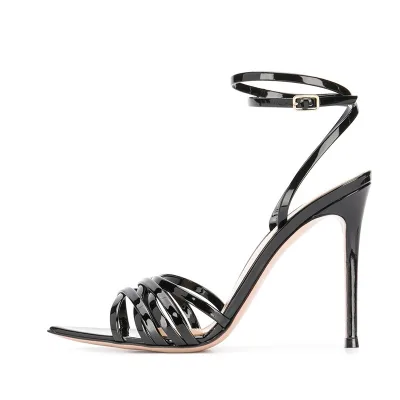
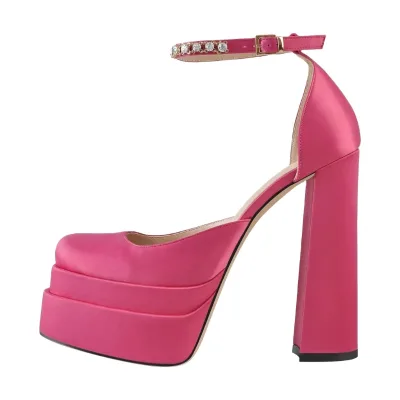


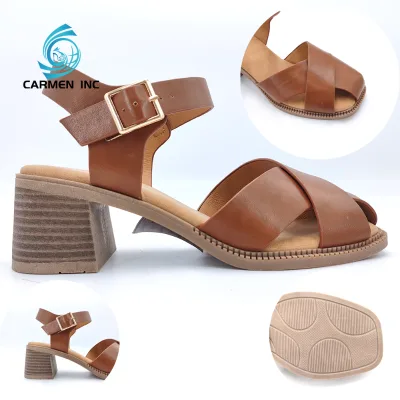


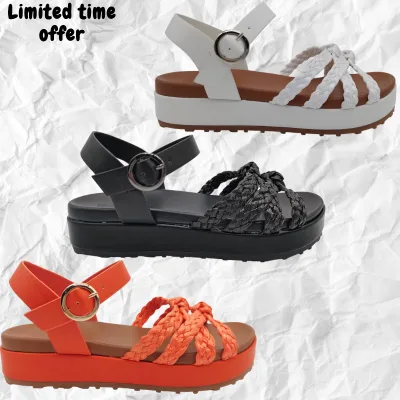


Comprehensive Sourcing Guide
Strategic Sourcing Guide for Lighted Crystal High Heeled Sandals
The procurement of lighted crystal high heeled sandals represents a specialized niche within the broader footwear market, combining aesthetic appeal with functional lighting elements. For B2B buyers, navigating this category requires a rigorous understanding of technical specifications, material integrity, and supply chain reliability. While the core keyword suggests a product with integrated illumination and decorative crystals, the actual market reality often involves a spectrum of variations in heel height, sole composition, and lighting mechanisms. This guide provides a structured approach to sourcing these items, grounded in verified product attributes and industry standards, ensuring that procurement decisions are based on observable facts rather than unverified marketing claims.
Technical Specifications and Material Composition
When evaluating potential suppliers for high-heeled sandals, the technical specifications serve as the primary filter for quality and suitability. The product attributes observed in the market indicate a wide variance in heel height, ranging from specific measurements like 12cm (4.7 inches) to broader categories described as "High" or specific ranges of 15-17cm, with notes that dimensions may change due to size variations. This variability necessitates precise verification during the sampling phase. Buyers must confirm the exact heel height for each size run, as a discrepancy can affect the comfort and stability of the final product.
The material composition is equally critical. The upper materials frequently cited include PU (Polyurethane) and Faux Suede, which offer different textures and durability profiles. PU is noted for its water-resistant properties and ease of cleaning, while Faux Suede provides a softer, more luxurious aesthetic. The lining material is consistently identified as PU, which is essential for breathability and comfort during extended wear. The outsole composition varies significantly between Rubber, PC (Polycarbonate), and Wood. Rubber outsoles are generally preferred for their slip resistance and durability, whereas Wood soles may offer a specific aesthetic but require careful handling regarding moisture and weight. The presence of "PC" in the outsole specification suggests a potential inclusion of hard plastic components, which may be relevant for the structural integrity of the heel or the housing of lighting elements.
For the specific "lighted" aspect of the keyword, buyers must scrutinize the integration of electronic components. While the provided data lists features such as "Waterproof" and "Quick Dry," it also explicitly states "Waterproof: No" in certain contexts. This contradiction highlights the need for direct supplier confirmation regarding the IP rating of the lighting system. If the product claims to be waterproof, the electrical components must be sealed against moisture ingress. The "Hard-Wearing" and "Light Weight" features suggest a focus on durability, but the addition of lighting elements introduces a new variable for potential failure points.
Compliance, Certification, and Safety Standards
In the B2B sector, compliance is not merely a formality but a critical risk management strategy. The supply chain for footwear, particularly those with electronic components, is subject to various safety and environmental regulations. While the provided context mentions ISO 27001, this standard pertains to information security management and is generally not applicable to physical product safety or electrical compliance for footwear. Buyers should not assume that a supplier holds ISO 27001 certification as a proxy for product safety.
Instead, the focus should be on electrical safety standards relevant to the region of sale. Products containing batteries or wiring for lighting must comply with standards such as UL (Underwriters Laboratories) in North America, CE (Conformité Européenne) in Europe, or CCC (China Compulsory Certification) for the Chinese market. These certifications ensure that the electrical components do not pose fire hazards, shock risks, or battery leakage issues. The "Customized logo" and "OEM & ODM" capabilities mentioned in the product data indicate that many suppliers operate as contract manufacturers. In such cases, the liability for compliance often shifts to the buyer or the brand owner. Therefore, it is imperative to request third-party test reports for the lighting mechanism, specifically focusing on battery safety, wire insulation, and heat dissipation.
Furthermore, material safety is a growing concern. The use of PU and Faux Suede requires verification that these materials do not contain prohibited levels of hazardous substances such as phthalates, heavy metals, or formaldehyde. Buyers should demand Material Safety Data Sheets (MSDS) and ensure that the supplier adheres to REACH regulations in the EU or similar restrictions in other markets. The "Place of Origin" is listed as Sichuan, China, a major manufacturing hub. While this location offers competitive pricing, it also requires rigorous quality control to ensure that the local suppliers adhere to international safety standards rather than just domestic ones.
Cost Drivers and Pricing Dynamics
Understanding the cost structure of lighted crystal high heeled sandals is essential for effective negotiation and margin planning. The observed price range in the market spans from $1 to $95 USD, a vast disparity that reflects differences in material quality, lighting complexity, and order volume. The lower end of this range likely corresponds to basic models with simple LED strips, minimal crystal embellishment, and standard rubber soles. The higher end may involve premium PU or Faux Suede, intricate crystal settings, advanced lighting controls (such as remote operation or color changing), and specialized heel designs like the 15-17cm slope heels mentioned.
The Minimum Order Quantity (MOQ) is another significant cost driver. The observed MOQ range is 1 to 500 pairs. Suppliers with lower MOQs may charge a premium per unit due to the inefficiencies of small-batch production. Conversely, larger orders can leverage economies of scale to reduce the unit cost. The "Single package size" of 32x22x12 cm and the "Single gross weight" of 2.000 kg are critical for logistics planning. These dimensions and weights directly impact shipping costs, especially when importing from China. Buyers should calculate the cost per cubic meter (CBM) and per kilogram to determine the true landed cost.
Customization is a major factor in pricing. The availability of "Customized logo," "Customized shoe box," and "OEM & ODM" services adds value but also incurs additional costs. Tooling fees for custom molds, setup costs for printing logos, and the complexity of integrating custom lighting designs can significantly increase the initial investment. Buyers must balance the desire for unique branding with the budget constraints, ensuring that the added cost of customization does not erode profit margins.
Typical Applications and Market Segmentation
The versatility of high-heeled sandals allows them to serve multiple market segments. The product attributes list occasions such as "Daily," "Dress," "Party," "Meeting," and "Formal." This broad applicability suggests that these products are not limited to a single use case. The "Sexy" style and "Open Toe" design make them particularly suitable for evening wear, club events, and summer parties where the lighting feature can enhance the visual appeal. The "Height Increasing" feature appeals to consumers seeking a specific silhouette, while the "Outdoor" and "Leisure" tags suggest potential use in less formal settings, although the high heel height may limit practicality for extended outdoor walking.
The "Summer" season designation is a key indicator of the product's lifecycle. These sandals are likely to have a strong seasonal demand, peaking in the spring and summer months. Buyers must align their inventory planning with these seasonal trends to avoid overstocking. The "Waterproof" feature, despite the conflicting data, is a significant selling point for summer footwear, as it allows for wear in various weather conditions. However, the "No" waterproof claim for some models suggests that buyers must be careful to match the product specification to the intended use case.
Supplier Evaluation and Verification
Evaluating suppliers for this specialized product category requires a multi-faceted approach. The "Brand Name: customized" attribute indicates that many suppliers are white-label manufacturers. Buyers should prioritize suppliers who demonstrate transparency in their manufacturing process and provide clear documentation of their capabilities. The "Service: OEM & ODM" and "OEM&ODM: Availabe" (with a noted typo in the source) confirm that these suppliers are equipped to handle custom orders. However, buyers must verify the supplier's actual capacity to handle the specific technical requirements of lighted footwear.
Key evaluation criteria should include the supplier's experience with electronic integration, their quality control processes, and their ability to scale production. The "Place of Origin: Sichuan, China" suggests a concentration of manufacturing in this region. Buyers should conduct on-site audits or request virtual tours to assess the factory's condition, equipment, and workforce. The "Packaging Details" provided, such as the use of dust bags, tissue paper, and customized shoe boxes, indicate a level of attention to presentation. Buyers should verify that the packaging is robust enough to protect the delicate lighting components during transit.
Quality Control and Inspection Protocols
Implementing a robust quality control (QC) protocol is essential to mitigate the risks associated with sourcing complex footwear. The QC process should begin at the raw material stage, verifying the quality of the PU, Faux Suede, and electronic components. During production, in-line inspections should focus on the assembly of the lighting elements, ensuring that wires are securely connected and that the LEDs are evenly distributed.
Pre-shipment inspections are critical. Buyers should inspect a statistically significant sample size from the production batch. Key checks include the functionality of the lighting system, the durability of the heel attachment, and the overall finish of the upper material. The "Feature: Hard-Wearing" claim should be tested through wear simulations. Additionally, the "Single gross weight" of 2.000 kg should be verified to ensure consistency across the batch. Any deviation in weight could indicate missing components or incorrect materials.
Long-Term Procurement Considerations
For long-term success, buyers must consider the sustainability and scalability of their supply chain. The "Customization: Available" and "Logo: Customized" options allow for brand differentiation, but they also create dependency on specific suppliers. To mitigate this risk, buyers should develop relationships with multiple suppliers and maintain a diverse portfolio of products. The "Season: Summer" nature of the product means that buyers must plan for inventory turnover and potential obsolescence.
Future-proofing the procurement strategy involves staying informed about technological advancements in lighting and materials. As consumer preferences evolve, the demand for more energy-efficient LEDs or sustainable materials may increase. Buyers should engage with suppliers who are proactive in adopting new technologies and adhering to evolving environmental standards. The "Service: OEM & ODM" capability suggests that suppliers are flexible, but buyers must ensure that this flexibility does not come at the expense of quality or consistency.
In conclusion, sourcing lighted crystal high heeled sandals requires a meticulous approach that balances aesthetic appeal with technical reliability. By focusing on verified specifications, rigorous compliance checks, and strategic supplier evaluation, buyers can navigate the complexities of this market and build a successful procurement strategy. The vast range of prices and MOQs offers opportunities for both small and large buyers, but success depends on a deep understanding of the product's technical nuances and the supplier's ability to deliver consistent quality.
FAQs
What heel heights are available for these sandals?
Available heel heights include specific measurements like 12cm and ranges of 15-17cm, though dimensions may vary by size. Buyers must verify the exact height for each size run to ensure stability and comfort before ordering.
Can I customize the logo and packaging for these sandals?
Yes, customization is available for logos, shoe boxes, and other packaging details like dust bags. This service supports OEM and ODM models, allowing buyers to create unique branding while managing additional setup costs.
Which materials are used for the upper and lining?
The upper materials typically include PU or Faux Suede, while the lining is consistently made of PU. These materials offer different textures and durability profiles suitable for various seasonal and style requirements.
What is the minimum order quantity for these sandals?
The minimum order quantity ranges from 1 to 500 pairs depending on the supplier and specific product configuration. Lower MOQs may incur higher unit costs, while larger orders leverage economies of scale for better pricing.
Where are these sandals manufactured and what is the origin?
The place of origin is Sichuan, China, which is a major manufacturing hub for footwear. Buyers should verify that local suppliers adhere to international safety standards despite the competitive pricing offered by this region.
Are these sandals suitable for formal and party occasions?
Yes, the sandals are designed for daily, dress, party, meeting, and formal occasions. The open toe and sexy style make them particularly suitable for evening wear and summer events where visual appeal is prioritized.